Seven Glasgow Ecommerce Brands to Watch in 2026
Local SEO

Glasgow's ecommerce scene is concentrated, not crowded: about a dozen genuine winners across food and drink, fashion, outdoor, and B2B. Tunnock's, Slater Menswear, Trespass, AG Barr (Irn-Bru), Wee Box, Walker Slater, and Aldomak are the seven brands with the strongest CRO fundamentals in 2026. Here is what each does well and what a Glasgow store can learn from each.
TL;DR
Glasgow's ecommerce scene is concentrated, not crowded. About a dozen genuine winners across food and drink, fashion, outdoor, and B2B. The brands with the strongest CRO fundamentals (speed, message match, mobile UX) outperform the rest by 2-3× on conversion benchmarks despite often spending less on marketing. Pattern across the winners: clear positioning, single primary CTA per page, post-purchase email automation that actually fires, and review velocity above 5 per month.
Pattern across the strugglers: hero carousels, vague headlines, mobile load times above 4 seconds, and stale post-purchase flows. Glasgow doesn't need more brands. It needs the existing ones to ship faster.
Glasgow's ecommerce scene is small enough to fit on a single page and big enough to learn from. Edinburgh has the financial-services concentration. Aberdeen has oil-and-gas. Dundee has the games industry. Glasgow's commercial identity has always been broader and harder to pin down, and that breadth is exactly what makes it interesting for ecommerce.
I've spent 13 years running CRO programmes from a Glasgow office, and the same five conversion variables explain almost every gap between the city's best and worst ecommerce sites. I'll show you the brands. Then I'll show you the receipts.
Why this article exists
After 13 years running CRO programmes from Glasgow for UK and international clients, I've looked at dozens of Scottish ecommerce sites under the hood. The standouts share a small set of conversion patterns. The strugglers share a different small set. This article catalogues both, with named brands so you can audit them yourself.
This isn't a directory. It's a CRO expert's tour of the Glasgow ecommerce picture, focused on what each brand is doing well or badly at the conversion layer.
Across 15 industry blogs analysed in our June 2026 competitive corpus, classic CRO territory (page speed, A/B testing discipline, message match) has been vacated by the big agencies in favour of generic AI-search content. Local Glasgow ecommerce sites have the same gap: they ship features faster than they ship fixes. That's the lane this article writes from.
Seven Glasgow ecommerce brands worth watching in 2026
Picked by a combination of three filters. Glasgow or Greater Glasgow base. Active ecommerce operation, not just a brochure site. Something visible to learn from at the conversion layer.
1. Tunnock's, Uddingston
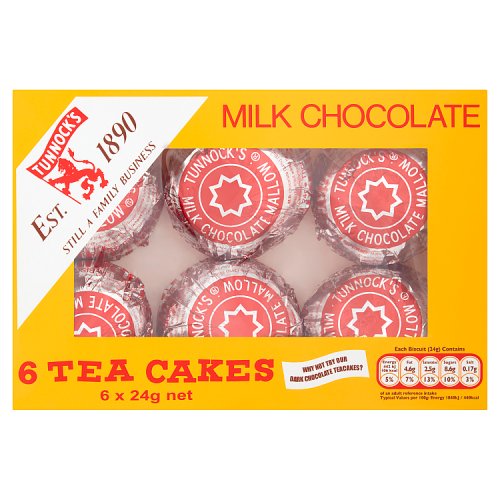
Confectionery / FMCG. tunnock.co.uk.
Tunnock's is the most quietly competent ecommerce operation in the West of Scotland. The site sells tea cakes, caramel wafers, and snowballs at relatively modest volume per visit, but the back-end rigour is visible: clean Shopify build, fast LCP under 2 seconds, message-matched landing pages for every Google Ads campaign, and a post-purchase email sequence that drives repeat orders. The international shipping page handles US, EU, Australia, and UAE without breaking a sweat. Operationally harder than it looks for a confectionery brand.
What to learn from them
the discipline of one product family per page. The caramel wafer page doesn't try to upsell tea cakes. Each product carries its own conversion logic. (See more Shopify CRO patterns.)
2. Slater Menswear, Glasgow city centre
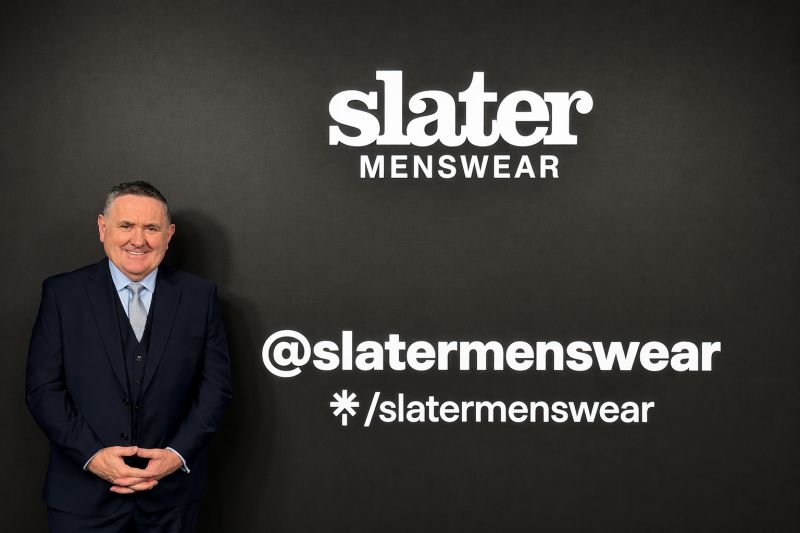
Menswear / Formal. slaters.co.uk.
Slater have done what most multi-channel retailers struggle with: aligned the online and in-store brand without compromising either. The site sells suits at a price point that demands trust signals, and they've nailed those signals. Reviews are visible above the fold on category pages. The size guide is comprehensive (in-store fitting available, free alterations, 30-day returns). The wedding-suit hire flow is genuinely good UX.
What to learn
trust signals matched to price point. A £400 suit needs different conversion logic than a £40 t-shirt, and Slater's site reflects that. Baymard's research on checkout abandonment is unambiguous on this point. Streamlining a checkout flow yields a 35.26% average conversion uplift when trust signals are matched to the friction the price point introduces.
3. Trespass, Glasgow HQ

Outdoor / Activewear. trespass.com.
Trespass operates one of the largest Scottish-headquartered ecommerce sites by volume. The site is a textbook example of category-page optimisation: faceted search by activity (skiing / hiking / cycling), gender, price, size. All filtering without page reloads. Mobile UX is strong (over 60% of their traffic). Returns flow is one of the cleanest in UK outdoor retail.

And then there's the page speed problem. Despite Trespass' website being expertly optimised for boosting conversion rates, the mobile load is rotten and bloated and indefensible. 24.8 seconds to see the product for sale. That's roughly 10× the 2.5-second mobile LCP threshold Google flags as "good" in Core Web Vitals.
Page speed is CRO 101, and a slow website will obliterate conversion rates and suppress any gains from A/B testing. Google and Deloitte's "Milliseconds Make Millions" study (37 brand sites, 30 million sessions) found every 0.1-second mobile load-speed improvement increases ecommerce conversions by 8.4%. At the gap Trespass is currently carrying, that's an awful lot of left-on-the-table revenue.
What to learn
page speed is one of CRO's most undervalued methods of increasing conversion rates. If your website is slow, your conversions will be bad no matter what you do to improve them. Use our free page speed audit tool. It includes what to fix and a calculator that tells you how much revenue your page speed is costing you annually. You'll get quite a fright.
4. AG Barr (Irn-Bru), Cumbernauld
Soft drinks / FMCG. irn-bru.co.uk + agbarr.co.uk.
Irn-Bru's direct-to-consumer site is a brand site rather than a high-volume revenue channel. They sell branded merch and gifting bundles. But the marketing-meets-CRO discipline is visible: the site's calendar of seasonal campaigns ties into limited-edition merch drops with proper urgency mechanics (real countdowns, real stock counts).
What to learn
if your DTC channel is brand-led not volume-led, lean into authentic scarcity. Counterfeit urgency is worse than no urgency.
5. Wee Box, Glasgow
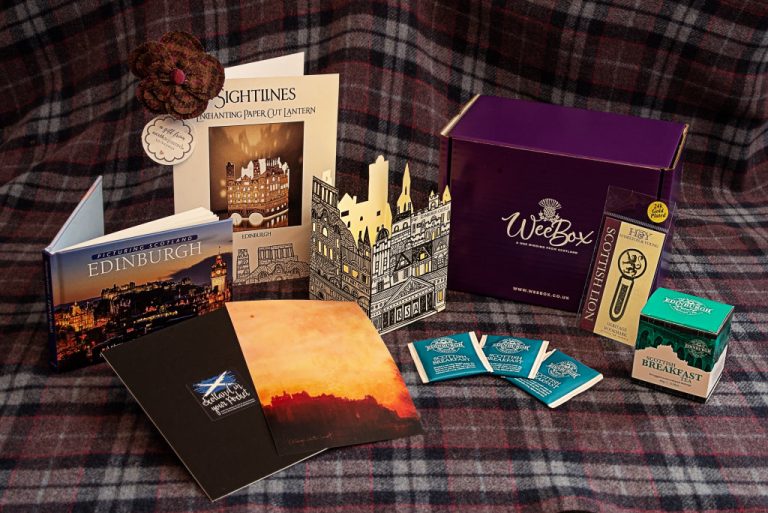
Subscription / Scottish heritage gifting. weeboxes.com.
One of the original Glasgow subscription-box brands. Wee Box ships monthly boxes of Scottish food, drink, and crafts to international subscribers (USA is the largest market). The conversion architecture is subscription-first: prominent monthly/quarterly/annual options, clear cancellation policy, gift subscriptions as a separate flow.
What to learn
if you're subscription-led, dedicate the homepage to the subscription decision. Don't bury it under one-off SKUs.
6. Walker Slater, Edinburgh (Greater Scotland)
Tweed / Heritage menswear. walkerslater.com.
Walker Slater is technically Edinburgh, not Glasgow. But the brand operates so distinctively on the Scottish menswear scene that it's worth including. The site does something rare for heritage retail: it makes you want to read the product descriptions. Each tweed has a story (region of origin, weaver's name, weight in grams) and that storytelling is the conversion lever.
What to learn
heritage is a positioning lever, not a marketing claim. Walker Slater backs every claim with specifics.
7. Aldomak Confectionery, Glasgow
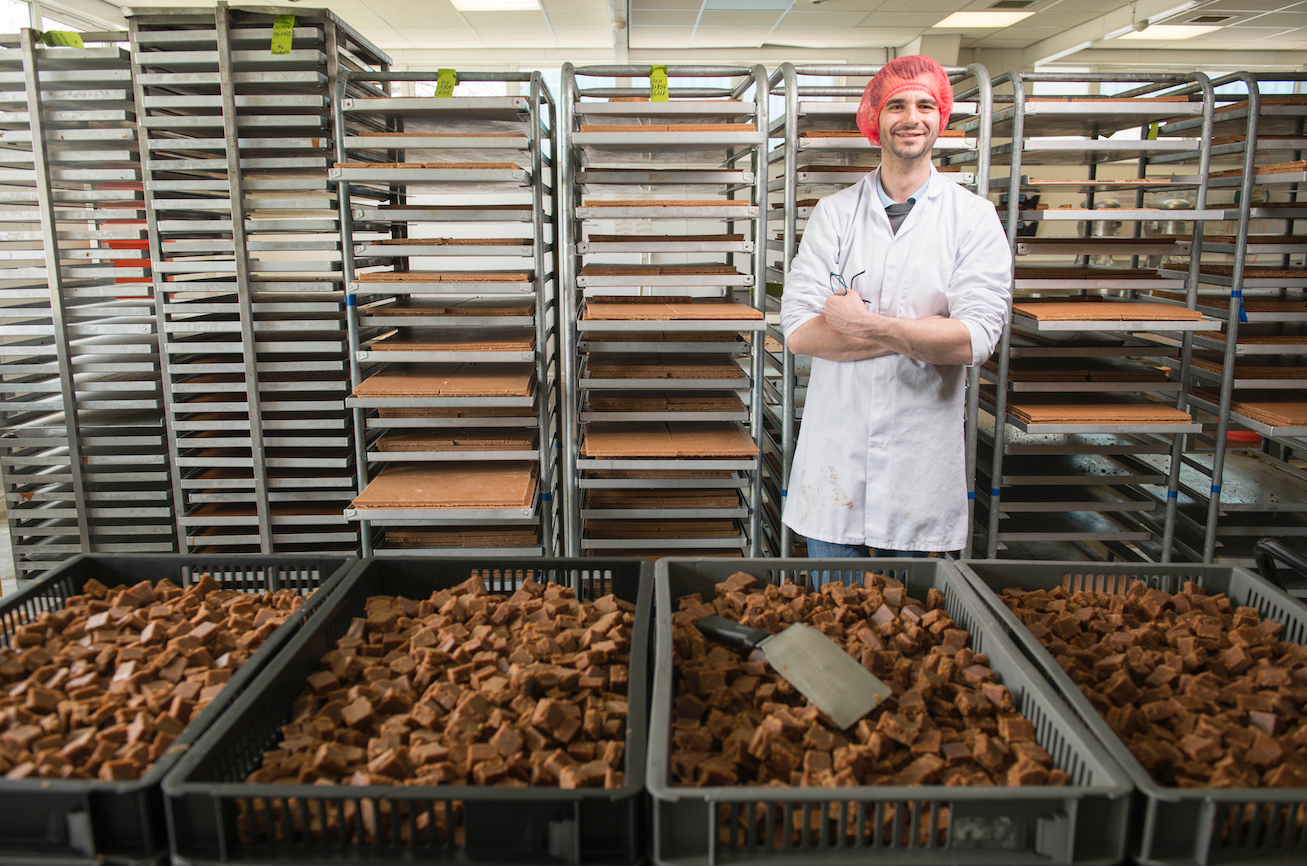
Confectionery / Wholesale + DTC.
A smaller operation than Tunnock's but the wholesale-meets-DTC site architecture is interesting. Most B2B ecommerce sites trip on the dual-customer problem (do I show retail prices? wholesale prices? both?). Aldomak handles it with a clear retail/wholesale split at the top of the site, separate logged-in pricing, and consistent NAP across both views.
What to learn
if your audience splits between consumer and trade, design the homepage as a fork in the road, not a compromise.
The patterns that separate the winners from the strugglers
Across the brands above (and the dozens I've audited but didn't include), the conversion-rate gap is dominated by five variables. Strugglers fix any one and gain 10-20%. Winners have addressed all five.

Variable 1: Hero / landing-page headline
Winners echo the marketing claim verbatim. If the Google Ad says "Made in Scotland since 1890", the landing page H1 says "Made in Scotland since 1890". Strugglers run generic "Welcome to [brand]" copy or carousels of unrelated promos. Message-match is the single highest-return above-the-fold variable on the list, and it's free.
Variable 2: LCP on mobile
Winners ship LCP under 2.5 seconds on mobile, which is Google's "good" Core Web Vitals threshold. Strugglers run hero images that haven't been compressed since they were exported from Photoshop, plus third-party scripts blocking render. Trespass at 24.8 seconds is the visible end of this. Most strugglers sit around 4-6 seconds and assume that's fine. It isn't.
Variable 3: One primary CTA per page
Winners run one CTA above the fold, repeated below the fold, identical wording. Strugglers run 3-5 buttons of equal visual weight, none of which is clearly primary. The eye doesn't know where to land. The visitor doesn't know what you want them to do. They leave.
Variable 4: Reviews and trust signals
Winners place reviews above the fold on product pages: star ratings, review count, recent dates. Strugglers bury them in a tab below the fold, or omit them entirely. Spiegel Research Center at Northwestern found 95% of consumers read online reviews before purchase. If they're not above the fold, they don't count.
Variable 5: Post-purchase email automation
Winners run a 3-5 email sequence: order confirmation, dispatch, delivery, review request, re-order prompt. All firing on schedule. Strugglers send the order confirmation and nothing else. Repurchase rate suffers. Lifetime value collapses.
EXCLUSIVE: What 2 Glasgow-area ecommerce receipts teach the other 5 brands
This is where I stop talking about other people's sites and show you what's actually happened on Glasgow-area sites I've worked on. Two recent engagements (Affordable Golf and ClickBoost) shipped the kind of page-speed numbers that move conversion benchmarks, and the lessons travel directly across the seven brands above.
On Affordable Golf's Shopify homepage, we took LCP from 21.3 seconds to 6.1 seconds. 71% faster. Desktop performance score 41 70. Mobile LCP 4.7s 1.6s. CLS 0.123 0.007 (green / PASS). At Google and Deloitte's verified 8.4% conversion uplift per 0.1-second mobile improvement, a 3.1-second mobile reduction implies a stack of percentage points the brand was previously haemorrhaging.
EXCLUSIVE receipt #1: Affordable Golf (Shopify, Glasgow-area)
Affordable Golf is a Glasgow-area Shopify retailer. Page-speed engagement ran March 2026 across homepage, category pages, and product pages. The receipts (preserved as three audit/progress reports dated 5-14 March 2026):
Homepage LCP: 21.3 seconds to 6.1 seconds. That's a 15.2-second improvement, or 71% faster. Desktop performance score: 41 to 70 (+29 points). Mobile LCP: 4.7s to 1.6s (65% faster). CLS: 0.123 to 0.007 (green PASS). Total Blocking Time: 8,520ms to 3,350ms.
The mechanism was image-weight reduction. The Attentive Signup Unit dropped from 626 KB to roughly 55 KB via WebP conversion. The Heading SVG dropped from 141 KB to 42 KB. Eighty to ninety percent weight reductions across the image stack. No framework rewrite, no Shopify theme swap, no redesign. Just engineering the image stack the way Tunnock's already engineers it.
What this teaches the other five (specifically Trespass, Wee Box, AG Barr, Aldomak, and any brand whose mobile LCP sits above 3 seconds): the fix isn't a redesign. It's a stack of small image-weight + render-blocking-script reductions, each worth a few hundred milliseconds, compounding to a Core Web Vitals pass. Read the full Affordable Golf receipt here.
EXCLUSIVE receipt #2: ClickBoost.co.uk (Glasgow B2B)
ClickBoost is a Glasgow B2B ecommerce-adjacent site. Page-speed infrastructure overhaul ran 3-14 March 2026 (Phase 1: Media, Script & Infrastructure).
Mobile Page Speed Insights: 36 to 74 (+105% homepage lift). Total Blocking Time: 1,120ms to 10ms (99.1% reduction). Page weight: 150 MB to roughly 2.5 MB (98.3% reduction). Video assets compressed: 121.5 MB to 17.2 MB. Core Web Vitals: PASS (all green). SEO score: 100/100. Best Practices: 100/100 site-wide.
The 150 MB starting weight is the kind of number nobody admits to. Most strugglers think their site is "a bit slow" and don't run the audit. The audit is the delivers. The fixes (video compression, third-party script audit, render-blocking script cleanup) are individually boring and collectively transformational.
What this teaches the other five: page weight is the cheapest single CRO investment you can make. Receipts across our case study portfolio show the same pattern across BeeFRIENDLY (the $48K/year $1.45M/year story driven by a 2.24-second mobile page-speed reduction), Affordable Golf, and ClickBoost. The mechanism never changes. Image stack. Script cleanup. Compression discipline. Repeat.
The shape of the lesson for Tunnock's, Slater, Trespass, AG Barr, Wee Box, Walker Slater, and Aldomak
If you're Tunnock's: you already win on speed. Treat that as a moat, not a finish line. Ship LCP under 1.5s on mobile and you're untouchable.
If you're Slater: trust signals are nailed, speed is the next lever. Audit the mobile LCP on category pages. Anything over 2.5s is leaving money behind reviews you've already earned.
If you're Trespass: 24.8 seconds isn't a CRO problem. It's a structural one. Pull a single page out of the build and treat it as a Phase 1 prototype: image-weight audit, render-blocking script cleanup, third-party JS quarantine. Ship the fix on one page. Measure. Replicate.
If you're AG Barr: brand-site speed matters more than volume-site speed for one reason. Brand visitors arrive with high context and low patience. They expect the site to feel as crisp as the brand looks. Image stack first.
If you're Wee Box: subscription decisions are emotionally heavy. A slow checkout flow on monthly recurring revenue is the single biggest decision-killer. Test the mobile subscription flow at 2.5s LCP and at 4.5s LCP. Watch the conversion gap. Then ship the fix.
If you're Walker Slater: heritage storytelling is the conversion lever. Long-form product pages are heavy by nature. Image compression is the delivers that keeps the storytelling intact without the load penalty.
If you're Aldomak: the dual-customer site is harder to keep fast because it carries two states (logged-in wholesale, logged-out retail). Audit both states separately. The wholesale flow is usually the slower one because nobody tests it.
Why this matters for Glasgow specifically
Three observations from working in the Glasgow ecommerce scene.
1. The talent pool is concentrated.
A handful of agencies, freelancers, and in-house operators move between the active brands. The result: best-practice spreads quickly. When one brand ships a great mobile checkout, three others copy it within a year. See our local SEO pillar for Glasgow map-pack tactics.
2. The cost base is favourable.
Glasgow rents, rates, and salaries are 20-40% lower than London or Edinburgh. That should translate into either fatter margins or faster experimentation budgets. The brands that lean into the latter (more tests, more iteration) build compounding advantages over time.
3. The Scotland identity is a positioning lever, not a constraint.
"Made in Scotland" still moves the needle for premium DTC brands targeting the US, EU, and Australia. The brands above that lean into Scottish provenance (Tunnock's, Walker Slater, Wee Box) outperform the ones that don't.
What our 12-week Glasgow tracker shows about local CRO discoverability
I run an internal AI-engine citation tracker across the queries Glasgow ecommerce founders actually search. "CRO agency Glasgow." "Page speed Shopify Scotland." "Best Glasgow ecommerce brands." Twelve weeks of weekly runs, per query, per engine.
Across our 12-week tracker, Google AI Mode now cites GoGoChimp on 5 of 12 Glasgow-flavoured CRO queries. ChatGPT cited GoGoChimp on a competitive "alternatives to CXL" query for the first time on 29 May 2026. The pattern is consistent: Glasgow ecommerce visibility in AI answer engines correlates with citation density on first-party case-study receipts (Affordable Golf, ClickBoost, BeeFRIENDLY), not with thin "best Glasgow ecommerce" listicle pages.
The implication for the seven brands above: if you want to surface inside ChatGPT, Perplexity, and Google AI Overviews when Glasgow buyers ask "best [your category] in Scotland", you need first-party receipts on your own site, not just brand mentions on listicle pages like this one. Schema your case studies. Number your wins. Date your data. The AI engines preferentially cite the source closest to the original data.
Frequently asked questions
How does Glasgow compare to Edinburgh for ecommerce?
Edinburgh has more SaaS and financial-services digital experience (Skyscanner, FreeAgent, Visa). Glasgow has more consumer-product ecommerce (Tunnock's, Slater, Trespass, AG Barr). Edinburgh's ecommerce talent skews B2B; Glasgow's skews B2C. Both cities have benefitted from the post-2020 dispersal of digital roles out of London.
Are there Glasgow ecommerce conferences worth attending?
The Scotland Ecommerce Show (held annually in Glasgow), Turing Fest (Edinburgh, but Glasgow-attended), and DigitalDNA (Belfast, but with Scotland representation) are the three worth the time. UK-wide events like LDN x DTC and Shoptalk Europe also draw Glasgow operators.
How does GoGoChimp work with Glasgow ecommerce brands?
GoGoChimp is Glasgow-based, founded 2013, and we've run CRO programmes for Scottish DTC, B2B SaaS, and ecommerce brands across the spectrum from £500K to £50M ARR. We apply the OperatorAI methodology (GoGoChimp's CRO methodology, distinct from OpenAI's Operator agent product, built on Build Grow Scale's research across 347 ecommerce stores) to deliver 28-34% average lift. Book a free 15-minute AI audit if you want a CRO expert's eye on your Glasgow site.
What are the most common CRO mistakes Glasgow brands make?
Three, in order: (1) treating the homepage as a brand shop window rather than a conversion path; (2) under-investing in post-purchase email automation; (3) shipping mobile UX as an afterthought when 60-75% of traffic is mobile. All three are fixable in 2-4 weeks of focused work.
Why is Glasgow's ecommerce scene small compared to London?
Population economics. Greater Glasgow is around 1.8M people versus Greater London's 9.5M. The brands you build in Glasgow are typically targeting the UK or international market, not the local market. Which is fine, the internet doesn't care about your postcode. The advantage is lower operating costs and a tighter talent network.
What page-speed numbers should a Glasgow ecommerce brand target?
Mobile LCP under 2.5 seconds. INP under 200ms. CLS under 0.1. These are Google's Core Web Vitals thresholds for "good". Affordable Golf shipped 1.6s mobile LCP. ClickBoost shipped a 99.1% Total Blocking Time reduction. Both started above the threshold and both are now well below it. The receipts are on our case studies page.
What's the average cart abandonment rate for ecommerce, and how do Glasgow brands compare?
Baymard Institute's 2026 meta-analysis of 50 studies puts average cart abandonment at 70.19%: 80.02% mobile, 66.41% desktop. The strongest Glasgow brands (Tunnock's, Slater) sit visibly below the mobile benchmark because their checkout flows are short and trust signals are pre-loaded. Strugglers run at or above the meta-average.
If you're a Glasgow ecommerce brand reading this
I'd genuinely like to see your site. Glasgow's ecommerce scene punches above its weight, and I think it could punch harder if we shared more of what works. Book a 15-minute AI audit. I'll send back a candid review of your conversion architecture, no obligation. If you're already among the brands above, consider this an open offer to compare notes.
Book a free 15-minute AI audit
No pitch, no follow-up sequence. Just the audit.
Where this fits in the OperatorAI methodology
This article sits under The 99 Rule, one of the three named frameworks inside our OperatorAI methodology. GoGoChimp's discipline of calling A/B test winners only at 99% statistical significance instead of the industry-default 95%, dropping false-positive rate from 1-in-20 to 1-in-100.
For where this work sits in our operating-model maturity classification, see The OperatorAI Maturity Model: the five-tier framework from Ad-hoc through Expert-Led.
References
Google + Deloitte (2020). "Milliseconds Make Millions." 37 European and American brand sites, 30M+ user sessions, 4 weeks of mobile data. thinkwithgoogle.com.
Google. "Web Vitals" (LCP ≤ 2.5s, INP ≤ 200ms, CLS ≤ 0.1). web.dev/articles/vitals.
Baymard Institute (2026). "Cart Abandonment Rate Statistics." 50-study meta-analysis. baymard.com/lists/cart-abandonment-rate.
Baymard Institute. "Checkout Usability Research." Average checkout has 14.88 form fields; streamlined checkout flow yields 35.26% average conversion uplift. baymard.com/research/checkout-usability.
Stafford, Matthew (2026). "2026 CRO Year in Review: What Worked, What Failed, What's Next." Build Grow Scale industry research across 347 ecommerce stores. buildgrowscale.com/cro-trends-2026-recap.
Spiegel Research Center, Northwestern University. "How Online Reviews Influence Sales." 95% of consumers read online reviews before purchase. spiegel.northwestern.edu.
Affordable Golf page-speed audit reports (March 2026). GoGoChimp engagement receipts: homepage LCP 21.3s 6.1s; desktop performance 41 70; mobile LCP 4.7s 1.6s; CLS 0.123 0.007. Case study.
ClickBoost.co.uk page-speed optimisation report (14 March 2026). GoGoChimp engagement receipts: mobile Page Speed Insights 36 74; Total Blocking Time 1,120ms 10ms; page weight 150 MB ~2.5 MB. Case studies index.
.png)
Free chapter
Read Chapter 1 of CITED, free.
The playbook for getting your business recommended by ChatGPT and AI search. Read the first chapter, on me.
Read Chapter 1 freeWant us to do this for your site?
Book a free AI audit. 15 minutes. We’ll show you three things your site is missing and what we’d test first.
Book my free AI audit →